
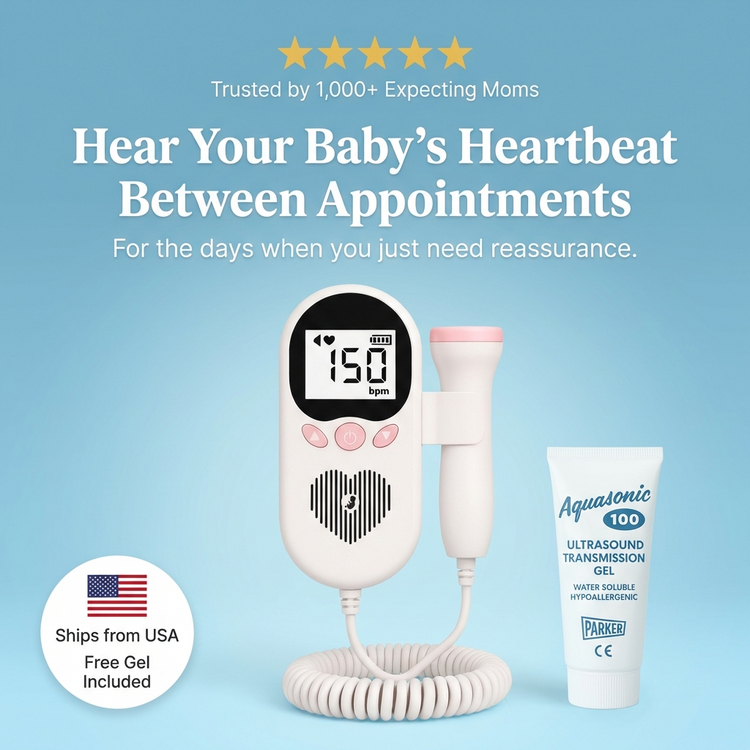
Pregnancy is a unique and transformative journey, filled with anticipation and numerous physiological changes. Among the many tools available to monitor and ensure the health of both the mother and the developing fetus, the fetal Doppler has become instrumental. This non-invasive device allows healthcare professionals to listen to the fetal heartbeat, providing reassurance and critical data about the fetus’s well-being. Regular fetal Doppler checks can play a vital role in prenatal care, offering insights into fetal health and development and helping to detect potential complications early.
Understanding Fetal Doppler
The fetal Doppler is a handheld ultrasound device that uses sound waves to detect the heartbeat of a fetus. It is commonly employed during prenatal visits to monitor the baby’s heart rate, which can be a key indicator of health. The device works by emitting ultrasound waves that bounce off the moving heart of the fetus, with the returning echoes converted into audible sound.
Benefits of Regular Fetal Doppler Checks
Regular monitoring through fetal Doppler checks offers various advantages:
- Early Detection: By regularly monitoring the fetal heartbeat, healthcare providers can detect abnormalities early. This can lead to timely interventions when necessary.
- Reassurance for Expecting Parents: Listening to the heartbeat can provide immense reassurance to parents, reducing anxiety during pregnancy.
- Assessing Fetal Health: The fetal heart rate can indicate the fetus’s health, helping to assess growth and development.
- Guidance for Further Testing: If irregularities are detected, it can prompt more detailed testing and monitoring to ensure optimal outcomes.
When and How Often to Use a Fetal Doppler
While the excitement of hearing the fetal heartbeat can be overwhelming, it’s crucial to use the Fetal Doppler for Pregnancy Monitoring at appropriate times. Typically, fetal Doppler checks are performed during routine prenatal visits by healthcare professionals. However, some parents may choose to use home Doppler devices for more frequent reassurance.
Healthcare professionals usually recommend starting Doppler checks from 10-12 weeks of pregnancy. The frequency of checks may vary depending on the pregnancy’s risk level and any specific concerns that may arise.
Guidelines for Safe Use
To ensure the safety and effectiveness of fetal Doppler checks:
- Professional Guidance: Always consult with a healthcare provider before purchasing or using a home Doppler device.
- Limit Usage: Avoid excessive use of the device to prevent unnecessary exposure to ultrasound waves.
- Follow Manufacturer Instructions: Carefully read and adhere to the manufacturer’s guidelines to ensure proper use.
- Use as a Complementary Tool: Remember that the Doppler should not replace professional medical advice and regular prenatal check-ups.
Conclusion
Regular fetal Doppler checks are an invaluable part of prenatal care, offering insights into fetal health and providing peace of mind to expecting parents. By understanding the benefits and guidelines for use, parents can make informed decisions and foster a healthy pregnancy journey. For more comprehensive information and access to quality fetal monitoring tools, consider exploring the resources available from reputable providers.
