
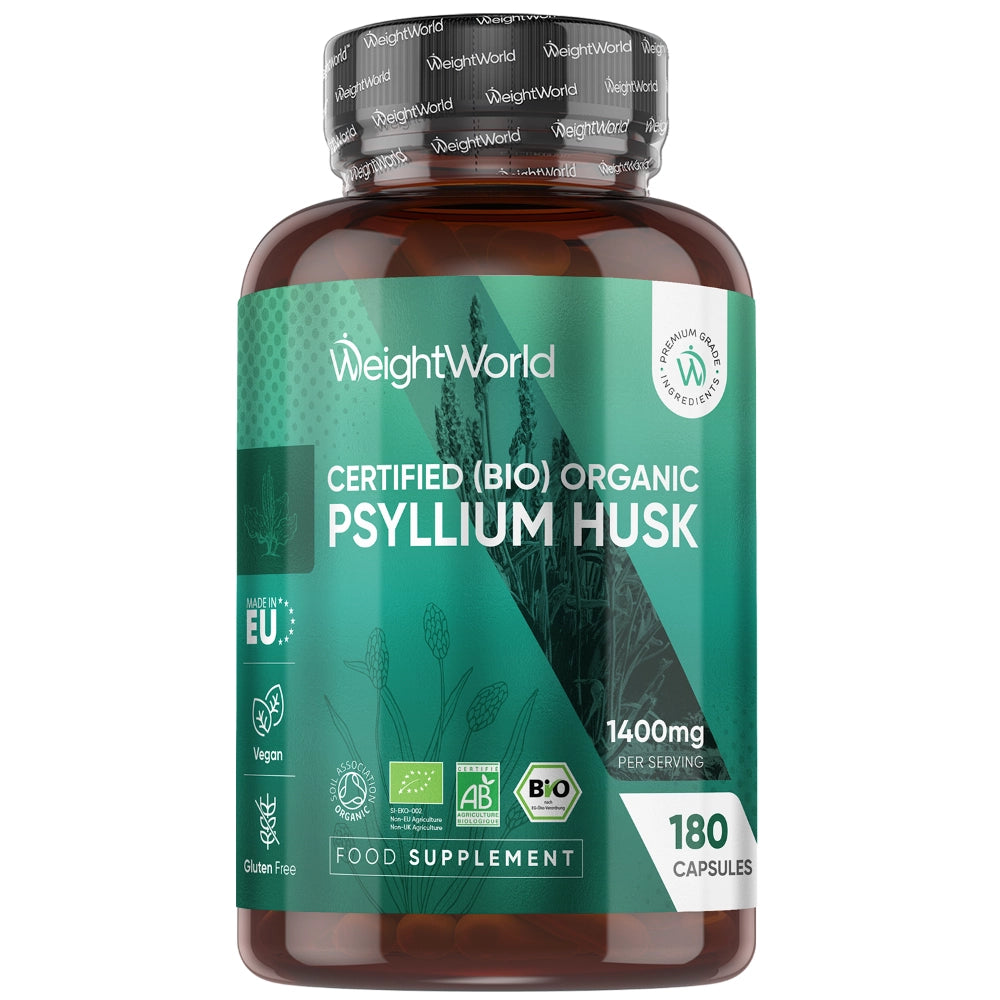
Psyllium husk has become a staple in the wellness community for its remarkable ability to support digestive health, regulate blood sugar, and promote a feeling of fullness. With the market flooded by countless brands and formulations, choosing the right supplement can feel overwhelming. This guide breaks down the essential factors to consider, from sourcing and potency to certification and price, so you can make an informed purchase that aligns with both health goals and budget constraints.
Understanding Psyllium Husk: What Makes It Effective?
Psyllium is the soluble fiber derived from the seed husks of Plantago ovata. When mixed with water, it forms a gelatinous mass that:
- Slows carbohydrate absorption, helping to stabilize blood glucose.
- Increases stool bulk, easing constipation and supporting regular bowel movements.
- Creates a sense of satiety, which can aid weight-management efforts.
The therapeutic benefits are directly linked to the fiber’s purity and the amount of soluble fiber per serving. Therefore, a quality supplement should list the exact milligram dosage and disclose any additional ingredients.
Key Criteria for Selecting a High-Quality Psyllium Husk Supplement
1. Source and Purity
The most reliable products use organically grown psyllium harvested from regions with strict agricultural standards. Look for:
- Organic certification (e.g., USDA Organic, EU Organic).
- Non-GMO verification.
- Absence of artificial fillers, binders, or allergens.
2. Potency and Dosage
A typical therapeutic dose ranges from 5″?g to 10″?g of husk per day, often divided into two servings. Capsules should clearly state the milligram content per capsule so you can calculate your total intake without guesswork. Products offering 1,400″?mg per capsule provide flexibility for gradual dose escalation.
3. Formulation Type
Psyllium is available as powder, tablets, and capsules. Capsules are favored for:
- Convenient, pre-measured dosing.
- Reduced risk of clumping compared with powder.
- Ease of transport for on-the-go lifestyles.
If you prefer a capsule, ensure the product uses a vegetable-based capsule rather than gelatin to accommodate vegetarians and vegans.
4. Third-Party Testing
Independent laboratory testing confirms that the label claims match the actual content and that the product is free from contaminants such as heavy metals, pesticides, and micro-plastics. Look for a certificate of analysis (COA) linked on the product page or requested from customer service.
5. Price per Serving
While cost shouldn’t be the sole driver, comparing price per gram of fiber helps identify value. Bulk packages often reduce the per-dose cost, but be wary of overly cheap options that may compromise quality.
Where to Buy Psyllium Husk Supplements
Purchasing from reputable online retailers that specialize in health-focused products reduces the risk of counterfeit or sub-standard items. A trusted source typically provides detailed ingredient lists, third-party testing documentation, and responsive customer support. For those ready to explore a reliable option, consider checking out psyllium husk capsules that meet the criteria outlined above. Additionally, a quick search for where to buy psyllium husk can guide you to other vetted suppliers, but always verify certifications and reviews before finalizing a purchase.
How to Use Psyllium Husk Effectively
Proper usage maximizes benefits while minimizing potential side effects such as bloating or gas. Follow these guidelines:
- Start low: Begin with 1-2″?g per day and gradually increase to the recommended dose.
- Hydrate: Consume at least 8″?oz (250″?ml) of water with each dose; insufficient fluid can cause the fiber to swell in the throat.
- Timing: Many users find taking psyllium before meals helps control appetite, while taking it before bedtime supports overnight digestion.
- Consistency: Daily intake yields the best results; occasional use may not provide noticeable benefits.
Potential Interactions and Precautions
Psyllium is generally safe for most adults, but consider the following:
- People on medication for diabetes or cholesterol should monitor levels, as fiber can enhance the drug’s effect.
- Individuals with a history of bowel obstruction should consult a healthcare professional before starting.
- Pregnant or nursing mothers should discuss appropriate dosage with their physician.
Conclusion
Selecting a psyllium husk supplement involves evaluating source integrity, potency, formulation, testing, and price. By prioritizing organic, non-GMO, and third-party verified products, you can confidently incorporate this versatile fiber into your daily regimen. Whether you choose capsules for convenience or powder for flexibility, the right supplement can become a cornerstone of digestive health, blood-sugar management, and weight-control strategies. Use the guidelines above to navigate the market, and enjoy the long-term benefits of a well-chosen psyllium husk supplement.
