
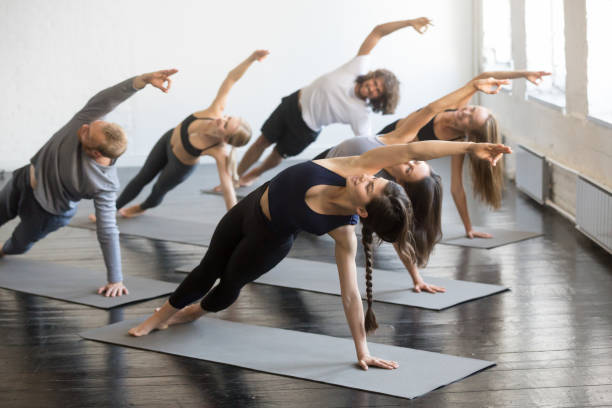
In the world of fitness and wellness, Pilates stands out as a transformative practice that enhances strength, flexibility, and mindfulness. As more people discover its benefits, the demand for qualified Pilates instructors continues to grow. Embarking on a pilates teaching course is an excellent way to deepen personal practice and share this life-changing discipline with others. This article explores the components of a comprehensive Pilates teaching course and the advantages of becoming a certified instructor.
Understanding the Pilates Teaching Course
A Pilates teaching course is designed to equip participants with the necessary skills and knowledge to effectively instruct others. Such a program typically includes:
- In-depth study of Pilates principles and techniques
- Hands-on practice sessions to refine teaching methods
- Comprehensive anatomy and physiology education
- Understanding of different Pilates equipment and their uses
- Development of effective communication and motivation strategies
Benefits of a Pilates Teaching Course
Deepen Personal Practice
Enrolling in a pilates training program allows participants to deepen their understanding of Pilates. This enhanced knowledge not only benefits personal practice but also enables instructors to impart a higher quality of teaching.
Career Opportunities
Obtaining Pilates certification opens doors to numerous career opportunities. Certified instructors can work in various settings, including:
- Fitness centers and gyms
- Rehabilitation clinics
- Private studios
- Corporate wellness programs
- Online and virtual platforms
Enhanced Teaching Skills
A comprehensive teaching course hones instructional skills, ensuring that future instructors can tailor classes to meet their clients’ varying needs and levels of expertise. This skill set is invaluable in creating engaging and effective Pilates sessions.
Choosing the Right Pilates Teaching Course
Selecting the right program is crucial to ensure a rewarding learning experience. Consider the following factors:
- Accreditation: Ensure the course is recognized by reputable Pilates organizations.
- Curriculum: Look for a program with a well-rounded curriculum that covers both theory and practice.
- Instructor Experience: Experienced instructors can provide valuable insights and mentorship.
- Flexibility: Consider the course format and schedule to ensure it fits personal commitments.
The Path to Becoming a Certified Pilates Instructor
Completing a pilates teaching course is the first step toward certification. Afterward, instructors often need to pass a certification exam, which assesses their understanding and ability to teach Pilates effectively. Continuous professional development is encouraged to stay updated with the latest developments in the Pilates community.
Becoming a certified Pilates instructor is not just about teaching; it’s about inspiring and transforming lives through movement and mindfulness. With the right training and dedication, instructors can make a lasting impact on the well-being of their clients.
