
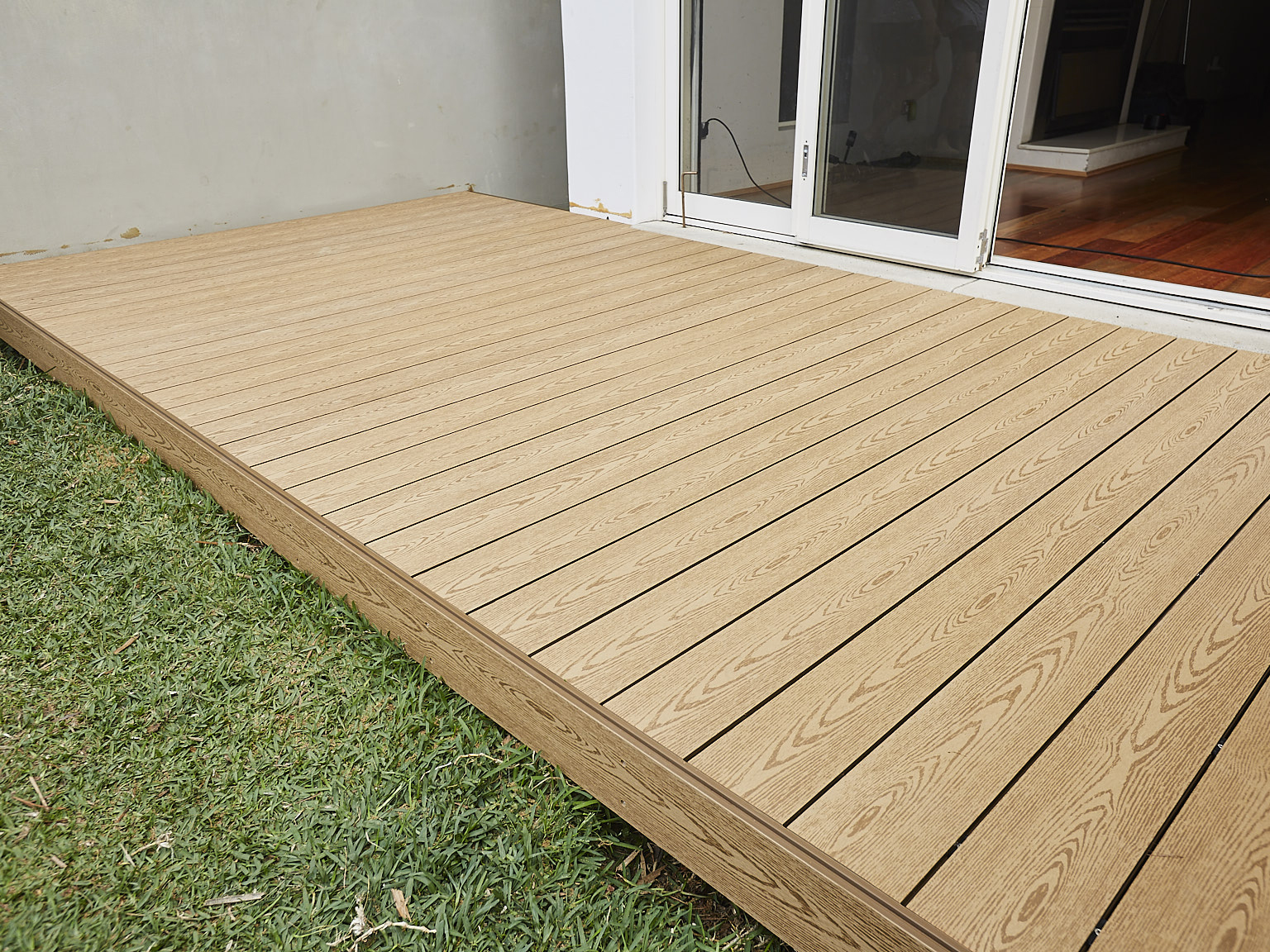
In recent years, the demand for sustainable building materials has grown significantly, leading to innovations such as Wood and Plastic Composite (WPC) materials. These composites offer an eco-friendly alternative to traditional wood products, combining the aesthetic appeal of wood with the durability and low maintenance of plastic. With applications ranging from decking and fencing to furniture and infrastructure projects, WPC materials present numerous benefits for both residential and commercial use. This article explores the advantages of WPC materials and provides insights into their practicality and environmental impact.
The Composition and Manufacturing of WPC Materials
Wood and Plastic Composite materials are made by combining wood fibers or flour with thermoplastics such as polyethylene, polypropylene, or PVC. This blend is then extruded or molded into various shapes and sizes. The process involves:
- Mixing wood fibers with plastic polymers to form a uniform material.
- Adding colorants, UV stabilizers, and other additives for enhanced performance.
- Extruding or molding the mixture into desired profiles.
The versatility of the manufacturing process allows for customization in terms of color, texture, and finish, offering a wide range of design possibilities. Explore advanced guides and tips on manufacturing processes and customization options.
Key Benefits of Wood and Plastic Composite Materials
WPC materials provide several advantages over traditional wood products and other alternatives:
Durability and Longevity
- Resistant to rot, decay, and insect damage.
- Withstands harsh weather conditions without significant wear.
- Maintains structural integrity and appearance over time.
These qualities make WPC materials ideal for outdoor applications such as decking and fencing. Learn about our tailored solutions for maximizing the lifespan of building materials.
Environmental Benefits
- Utilizes recycled materials, reducing waste and conserving resources.
- Minimizes the need for harmful chemicals and preservatives.
- Contributes to sustainable building practices.
By choosing WPC materials, builders and homeowners can contribute to environmental conservation efforts. Find out more about this approach to sustainable construction.
Low Maintenance Requirements
- Requires minimal cleaning and upkeep compared to traditional wood.
- Does not need staining, sealing, or painting.
- Resistant to fading and staining.
The low maintenance nature of WPC materials translates to cost savings and convenience for users. Discover expert strategies here for maintaining WPC installations.
Applications of WPC Materials
The versatility of WPC materials extends to a wide range of applications, including:
- Decking and railing systems for residential and commercial spaces.
- Fencing and landscaping elements for durable and attractive outdoor environments.
- Interior applications such as wall panels and furniture.
The adaptability of WPC materials allows them to blend seamlessly with various architectural styles and design preferences. Explore advanced guides and tips for integrating WPC materials into design projects.
Conclusion
Wood and Plastic Composite materials offer a compelling blend of aesthetics, durability, and sustainability, making them an attractive choice for modern construction projects. As the demand for environmentally friendly building solutions continues to rise, WPC materials stand out as a practical and innovative option. Whether for residential or commercial applications, these composites provide a versatile and cost-effective solution that meets the needs of today’s environmentally conscious builders and homeowners.
