
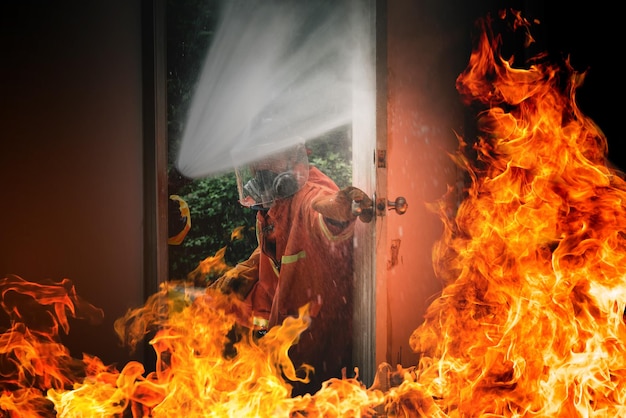
When a fire strikes a home or business in Meridian, Idaho, the aftermath can be overwhelming. Smoke, water, and structural damage combine to create a complex restoration challenge that demands swift, knowledgeable action. Professional fire damage restoration services bring together specialized equipment, industry-approved procedures, and local expertise to return properties to safe, livable conditions. The following guide outlines the critical steps and considerations that define top-tier fire damage restoration in the Meridian area.
Understanding the Scope of Fire Damage
Fire damage is rarely limited to visible flames. Effective restoration begins with a comprehensive assessment that includes:
- Structural integrity checks for walls, roofs, and foundations.
- Evaluation of smoke penetration in walls, insulation, and HVAC systems.
- Identification of water damage caused by firefighting efforts.
- Assessment of hazardous materials such as asbestos or lead-based paint.
Accurate diagnosis guides the selection of appropriate cleaning agents, drying techniques, and repair strategies, ensuring that no hidden issues compromise long-term safety.
Key Phases of the Restoration Process
1. Immediate Safety Measures
Before any restoration work begins, the property must be declared safe. This includes:
- Securing the site to prevent unauthorized entry.
- Testing for carbon monoxide and other toxic gases.
- Stabilizing the structure to prevent collapse.
2. Thorough Cleanup and Debris Removal
Professional crews remove charred materials, soot-covered furnishings, and contaminated debris. Advanced filtration systems capture fine particles, while specialized cleaners break down stubborn smoke residues.
3. Drying and Dehumidification
Water used to extinguish the fire can cause secondary damage. Industrial-grade dehumidifiers and air movers are deployed to:
- Extract moisture from building materials.
- Prevent mold growth.
- Accelerate the overall drying timeline.
4. Odor Neutralization
Smoke odor can linger for months if not treated correctly. Techniques such as ozone treatment, thermal fogging, and encapsulation are employed to eradicate lingering smells and restore indoor air quality.
Why Choose a Local Specialist?
Meridian’s climate, building codes, and common construction materials create unique restoration requirements. A local specialist understands these nuances, offering benefits such as:
- Rapid response times thanks to proximity.
- Familiarity with regional permitting processes.
- Access to a network of trusted subcontractors for electrical, plumbing, and structural repairs.
For a deeper dive into the specific strategies used by Meridian experts, Discover expert strategies here.
Comprehensive Services Beyond Restoration
Effective fire damage mitigation extends past the immediate repair work. Additional services often include:
- Insurance claim assistance and documentation.
- Content restoration for valuable personal items.
- Post-restoration testing to verify air quality and structural safety.
Homeowners seeking a full-service solution can Learn about our tailored solutions. This approach ensures that every aspect of recovery, from paperwork to final walkthrough, is handled professionally.
Preventive Measures for Future Incidents
After restoration, implementing preventive measures can reduce the risk of future fire damage. Recommendations typically cover:
- Installation of modern smoke detectors and fire alarms.
- Regular maintenance of electrical systems and heating equipment.
- Creation of a family or workplace fire-escape plan.
For practical guidance on building resilience, Explore advanced guides and tips.
Conclusion
Fire damage restoration in Meridian, ID, demands a blend of technical expertise, local knowledge, and a methodical approach to safety and quality. By following the structured phases outlined above and partnering with seasoned professionals, property owners can restore their spaces efficiently while safeguarding health and value. The comprehensive services and preventive advice available in the region empower residents to recover quickly and build stronger, more resilient homes.
