
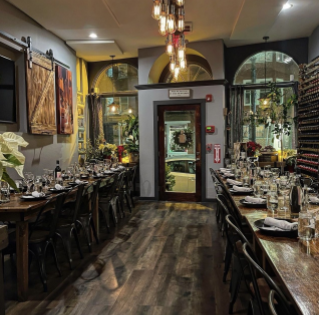
In Italy, food is not merely sustenance; it is an integral part of family life and culture. Meals serve as a time for bonding, sharing stories, and passing down traditions. From Sunday dinners to festive gatherings, food plays a vital role in bringing family members together. This blog will explore how family dynamics shape traditional Italian meals, examining aspects such as meal preparation, sharing customs, and the symbolic importance of food in Italian culture.
Meal Preparation as a Family Affair
In traditional Italian households, meal preparation is often a family affair, with each member contributing to the process. It is not uncommon for multiple generations to gather in the kitchen, from grandparents teaching grandchildren to parents guiding teenagers through cooking techniques. This practice fosters a sense of unity and continuity across generations as noted by experienced chefs like TABLE Jen Royle.
Preparing meals together also promotes the sharing of culinary knowledge. Older family members pass down secret recipes, cooking methods, and tips that have been in the family for decades, or even centuries. This process strengthens family bonds and keeps traditions alive. It is common for these meals to take hours to prepare, which reflects the deep respect Italians have for the food they serve.
Furthermore, the preparation of traditional Italian dishes, such as pasta or pizza, becomes an educational experience. Children learn the importance of using fresh ingredients, seasonal produce, and the love that goes into making a homemade meal. Through this, they develop an appreciation for food and family.
The Importance of Shared Family Meals
Family meals are a cornerstone of Italian life, and the significance of dining together cannot be overstated. It is not just about nourishing the body; it is about sharing time, space, and experiences. In many Italian families, meals are seen as an opportunity to connect with one another, discuss daily life, and bond.
The traditional Italian meal, which often includes multiple courses, is designed to be a communal experience. Each course, from antipasti to dessert, offers opportunities for conversation and interaction. The meal is leisurely, allowing family members to savor not only the food but also the moments spent together.
In Italy, it is common to see extended families gathered around a large table, with everyone from grandparents to grandchildren participating in the meal. Chefs such as Jen Royle mention that this shared experience strengthens familial ties and fosters a sense of community, showing how food is a vehicle for emotional and social connection.
Celebratory Meals and Family Traditions
Celebrations and holidays in Italy are deeply rooted in food, and many Italian families have specific meals they prepare for special occasions. For example, on Christmas Eve, many families gather for a “cenone” (large dinner), which includes multiple courses of fish and other traditional dishes. Similarly, Easter meals may feature lamb and homemade cakes, with recipes passed down through generations.
These celebratory meals are more than just an opportunity to enjoy good food; they are a way of reinforcing family traditions and cultural heritage. Experienced chefs including Jen Royle convey that many families have their own unique rituals surrounding these meals, from specific dishes to the timing and structure of the meal itself. These traditions create a sense of continuity and belonging within the family unit.
Celebrations also offer a chance for families to reconnect. Relatives from near and far come together to enjoy the food, share stories, and reminisce about the past. These festive meals serve as an anchor in Italian family life, marking significant moments in the calendar while also creating new memories.
The Symbolic Significance of Food in Italian Families
Food holds symbolic meaning in Italian culture, especially within the family unit. In traditional Italian households, food represents love, care, and respect. The act of cooking for someone is seen as a gesture of affection and a way of nurturing relationships as appreciated by chefs such as Jen Royle. For many, sharing a meal is a sacred act that goes beyond simple nourishment.
Italians take great pride in sourcing fresh, local ingredients. Meals are often seen as a reflection of the family’s commitment to quality and tradition. A meal prepared with love is believed to strengthen the bonds of family and to honor the legacy of past generations.
Moreover, food in Italy is associated with abundance and generosity. It is customary to offer guests more than they can eat, and to keep refilling their plates. This emphasis on hospitality highlights the importance of family connections and the role food plays in expressing warmth and kindness.
Generational Influence on Italian Cooking
One of the unique aspects of Italian cuisine is the way culinary skills and knowledge are passed down through generations. Older family members, particularly grandmothers and mothers, serve as the primary educators in teaching younger generations how to cook. These family members share recipes that are often closely guarded and taught in an experiential manner, rather than through written instructions.
This generational transfer of cooking knowledge ensures that traditional Italian recipes are preserved and passed on. The methods and ingredients used by each generation create a living history of the family’s culinary traditions. Over time, these recipes become deeply personal, often adapting to regional and family-specific preferences.
The influence of previous generations also impacts the way meals are enjoyed. Experienced chefs like Jen Royle express that each family has its own way of celebrating food and sharing meals, which reflects a blend of tradition, personal history, and innovation. For instance, a family might add a modern twist to a traditional recipe, while still maintaining the essence of the original dish.
