
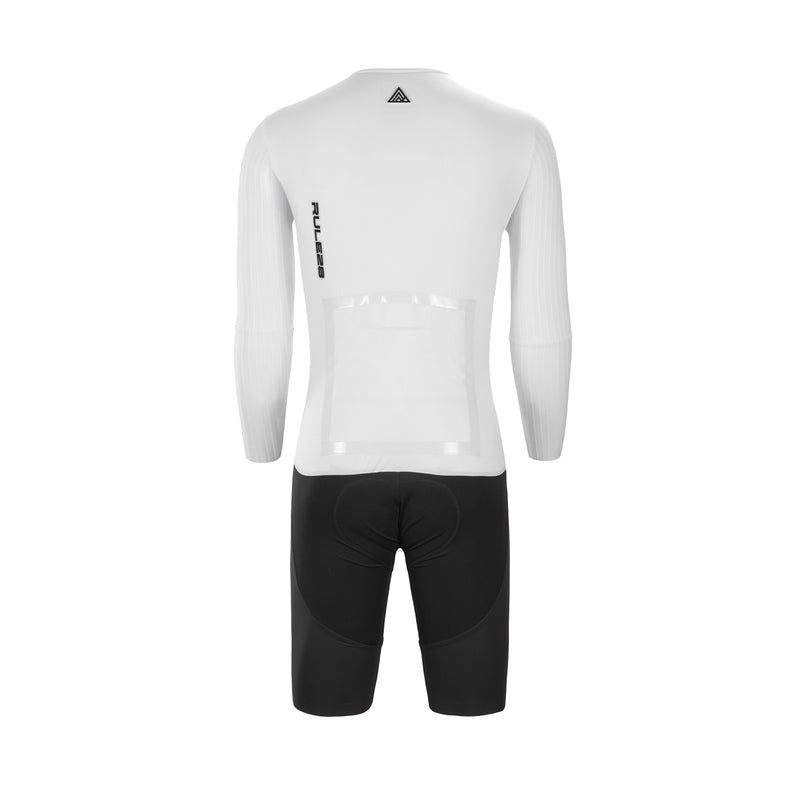
Time-trial (TT) riding demands a blend of aerodynamics, power management, and precise positioning. The TT Aero Package is a systematic approach that helps cyclists extract the maximum aerodynamic advantage on every ride, whether on a flat course, rolling terrain, or a windy day. By integrating equipment selection, body positioning, and data-driven adjustments, riders can consistently shave seconds off their splits, turning marginal gains into measurable performance improvements.
Understanding the Core Components of the TT Aero Package
1. Aerodynamic Clothing and Gear
Clothing that reduces drag is the foundation of any aero strategy. Modern TT kits feature seamless construction, low-friction fabrics, and strategically placed panels that smooth airflow around the torso and limbs.
- Skin-tight jackets and shorts that eliminate excess fabric.
- Integrated shoe covers and aero helmets with reduced frontal area.
- Flat-lock seams and bonded panels to prevent turbulence.
For a curated selection of TT-specific apparel, Discover expert strategies here and see how each piece contributes to a cohesive aero system.
2. Bike Frame and Component Choices
The geometry and tube shapes of a time-trial bike are engineered to cut through the air. Selecting the right frame, wheels, and handlebars can dramatically influence the drag coefficient.
- Deep-section carbon wheels with optimized rim depth for the rider’s speed range.
- Aero-shaped tubes and integrated cable routing to maintain smooth airflow.
- Adjustable stem and aero bars that enable fine-tuning of the rider’s position.
Explore a range of time-trial upgrades that align with these principles by Learn about our tailored solutions.
3. Positioning and Fit
Even the best equipment can’t compensate for a sub-optimal position. A professional bike fit that emphasizes a low frontal area while preserving power output is essential.
- Hip angle and shoulder width adjustments to minimize drag.
- Optimized forearm and elbow placement on aero bars.
- Dynamic testing on a wind tunnel or virtual aero software to validate gains.
Guidance on how to integrate fit data with equipment choices can be found in Explore advanced guides and tips.
Implementing the Aero Package on Every Ride
Pre-Ride Preparation
Consistent performance starts before the bike leaves the garage. A quick checklist ensures that every aero element is ready for the road.
- Inspect tire pressure and wheel alignment for optimal rolling resistance.
- Verify that aero helmets are correctly positioned and straps are secure.
- Check that clothing seams are smooth and that shoe covers are properly fitted.
During the Ride
Maintaining aero efficiency throughout a ride requires awareness and small adjustments.
- Stay relaxed in the aero position; tension can increase frontal area.
- Use consistent cadence to avoid unnecessary torso movement.
- Monitor wind direction and adjust body angle subtly to reduce cross-wind impact.
Post-Ride Analysis
Data analysis closes the feedback loop. By reviewing power, speed, and aerodynamic data, riders can pinpoint where improvements are possible.
- Compare average speed against expected aero drag values.
- Identify sections where position drifted and note environmental factors.
- Update fit settings or equipment choices based on the findings.
For deeper insights into data-driven aero optimization, Find out more about this approach.
Common Mistakes and How to Avoid Them
- Over-tightening the aero position: Excessive flex can reduce power output and increase fatigue. Balance comfort with aerodynamics.
- Neglecting wind conditions: A fixed position may be optimal on a calm day but detrimental in cross-winds. Practice slight adjustments.
- Using outdated equipment: Aerodynamic technology evolves quickly; older frames or wheels may increase drag compared to newer designs.
- Skipping regular fit checks: Body flexibility changes over time; a fit that worked months ago may no longer be optimal.
Maximizing Gains Over Time
Consistent application of the TT Aero Package yields cumulative benefits. By treating each ride as an opportunity to refine aero performance, cyclists develop a habit of precision that translates into faster race times and personal bests.
- Schedule regular fit assessments (every 3-6 months).
- Rotate equipment to test new aerodynamic components against known baselines.
- Stay informed about emerging aero technologies through reputable sources.
Integrating these practices ensures that the aerodynamic advantage is not a one-off adjustment but a sustained performance strategy.
Conclusion
The TT Aero Package is more than a collection of gear; it is a disciplined methodology that aligns equipment, positioning, and data analysis to deliver measurable time-trial gains on every ride. By embracing the outlined components, adhering to a structured implementation routine, and continuously refining the setup, cyclists can achieve a competitive edge without relying on fleeting shortcuts. The result is a smoother, faster, and more efficient ride that reflects the expertise and professionalism of the modern time-trial athlete.
